A numerical ballistics engine
Atlas uses a point-mass trajectory solver with G1 and G7 drag models and fourth-order Runge–Kutta integration. It calculates a trajectory from the inputs, rather than interpolating a generic drop chart.
You build the equipment shooters trust. Atlas brings it into a modern mobile experience: a G1/G7 ballistics calculator, their actual reticle, saved profiles and range tools in one app.
Let’s give your customers a stronger connection to your products—from first setup to their next day at the range.
Available on iOS & Android · Built by Atlas · Core calculations work offline
Why Atlas stands out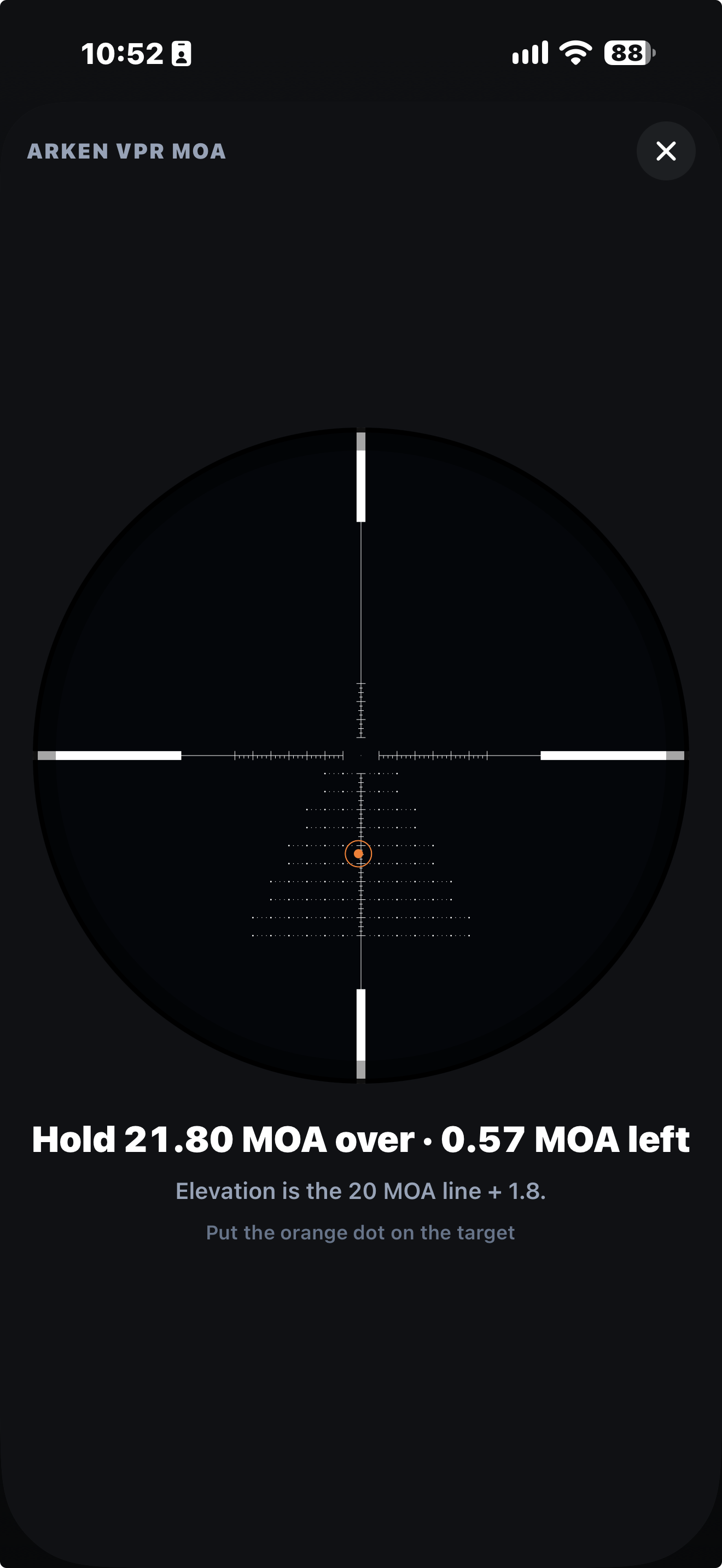
Reticle Holds
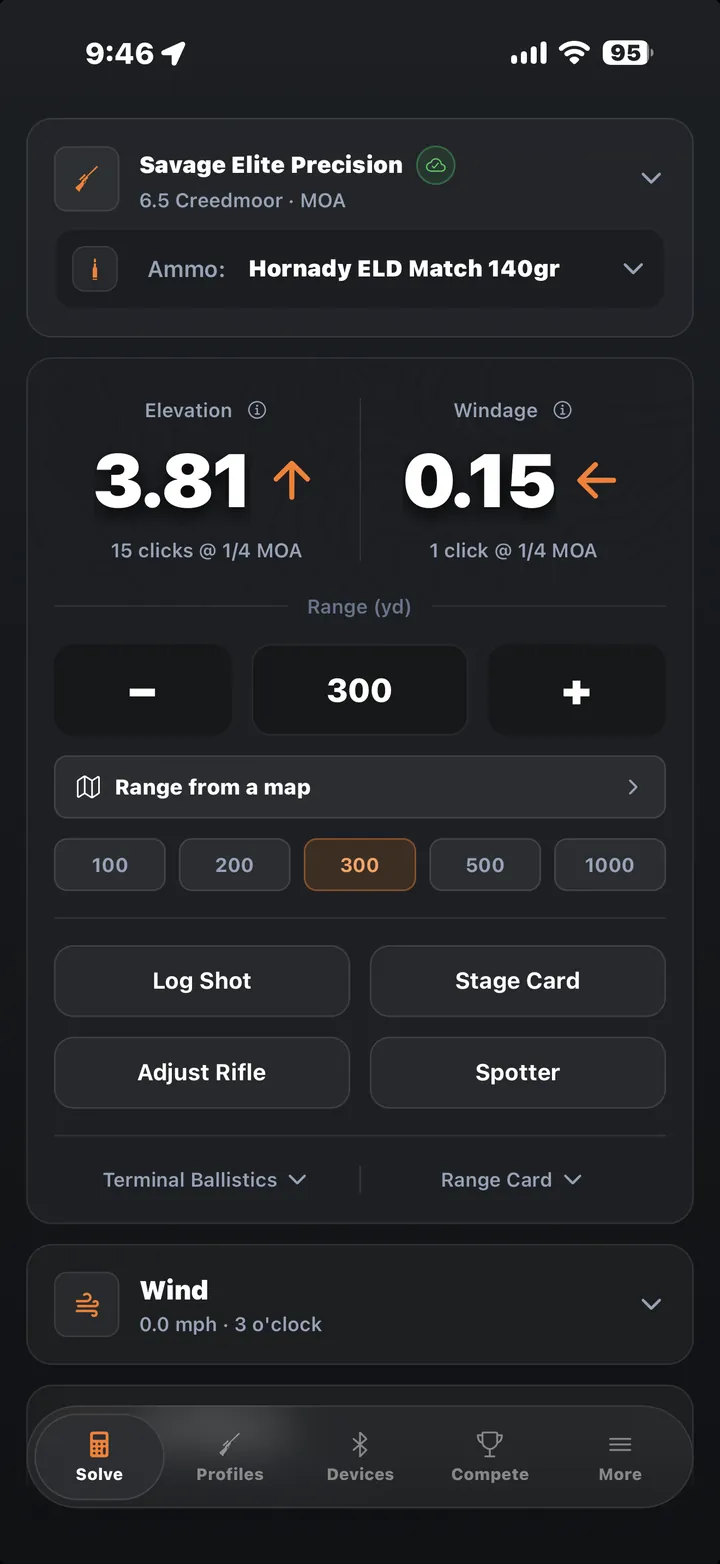
Instant Solve
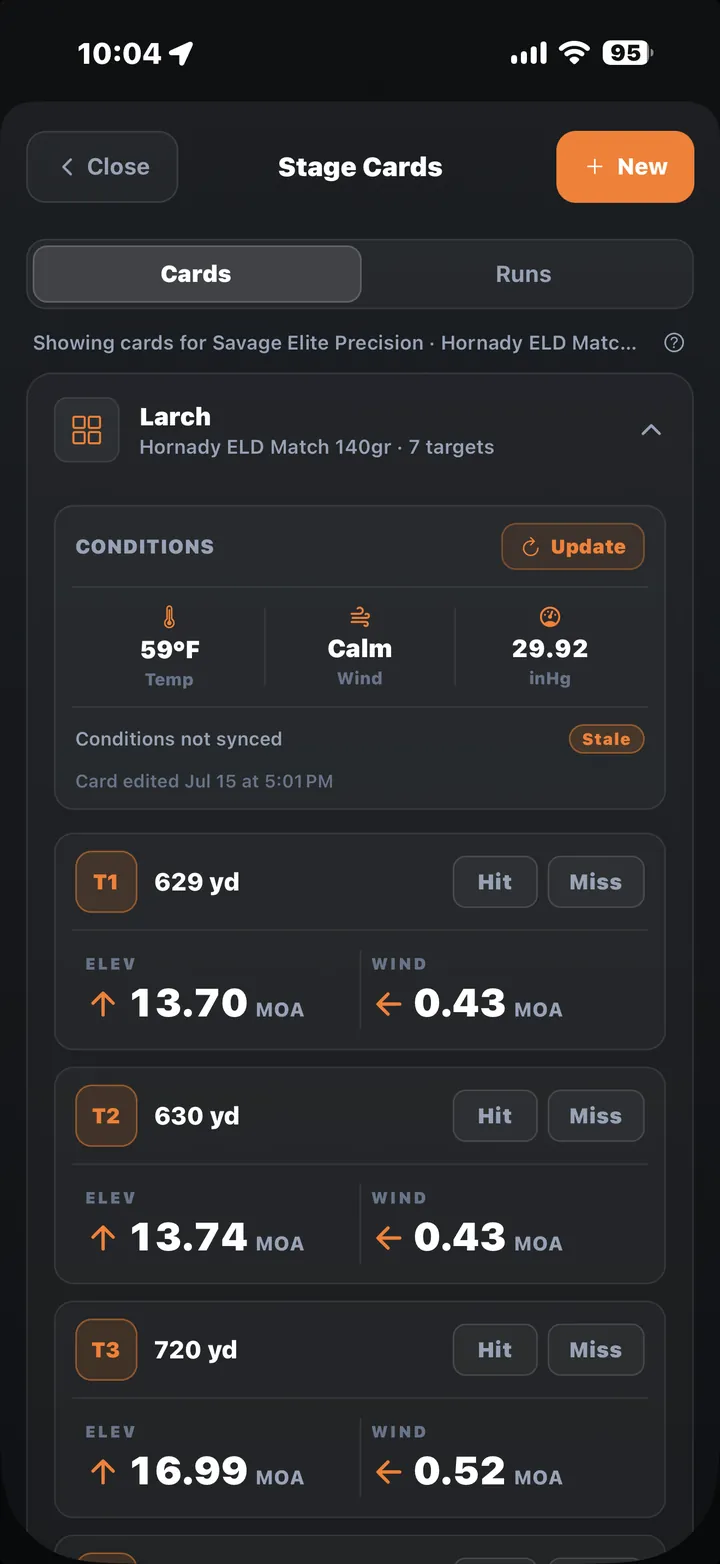
Stage Cards
Real Atlas app screens. Try the app yourself
The calculator behind the experience
A polished interface only matters if there is a serious engine behind it. Atlas pairs deterministic trajectory calculations with a workflow that keeps the shooter’s inputs and results easy to understand.
Atlas uses a point-mass trajectory solver with G1 and G7 drag models and fourth-order Runge–Kutta integration. It calculates a trajectory from the inputs, rather than interpolating a generic drop chart.
Rifle and ammunition profiles, atmospheric conditions, shot angle, spin drift, Coriolis and aerodynamic jump feed into the mobile calculation. Results include elevation, windage, time of flight, velocity and energy.
The calculator runs locally. Saved profiles and manually entered conditions work without cell service. Live weather, cloud sync and the ammo box scanner use an internet connection.
Automated checks cover physical consistency and compare results against retained numerical baselines across loads, conditions and settings. That helps catch unintended changes as the app evolves.
We welcome a review of the app, its assumptions and a matched-input comparison against your reference results. Regression checks establish consistency; measured field results and a joint evaluation establish fit for your products.
Why Atlas
The calculator is the foundation. The advantage is how everything works together: a clear interface, your equipment, your range tools and a growing hunting platform. That is the experience your brand can put in your customers’ hands.
Real G1/G7 drag math with full atmospherics. The numbers match what the steel tells you.
Pick your real scope and Atlas draws the solve directly on your reticle. No mental math at the glass.
Build a card per shooting position and see the solve for every target at a glance. Then run it on the clock.
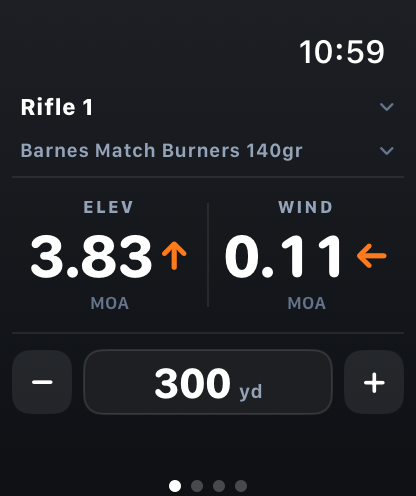
Set range, read elevation and wind, run stage cards, sync weather, and capture shot direction without reaching for your phone.
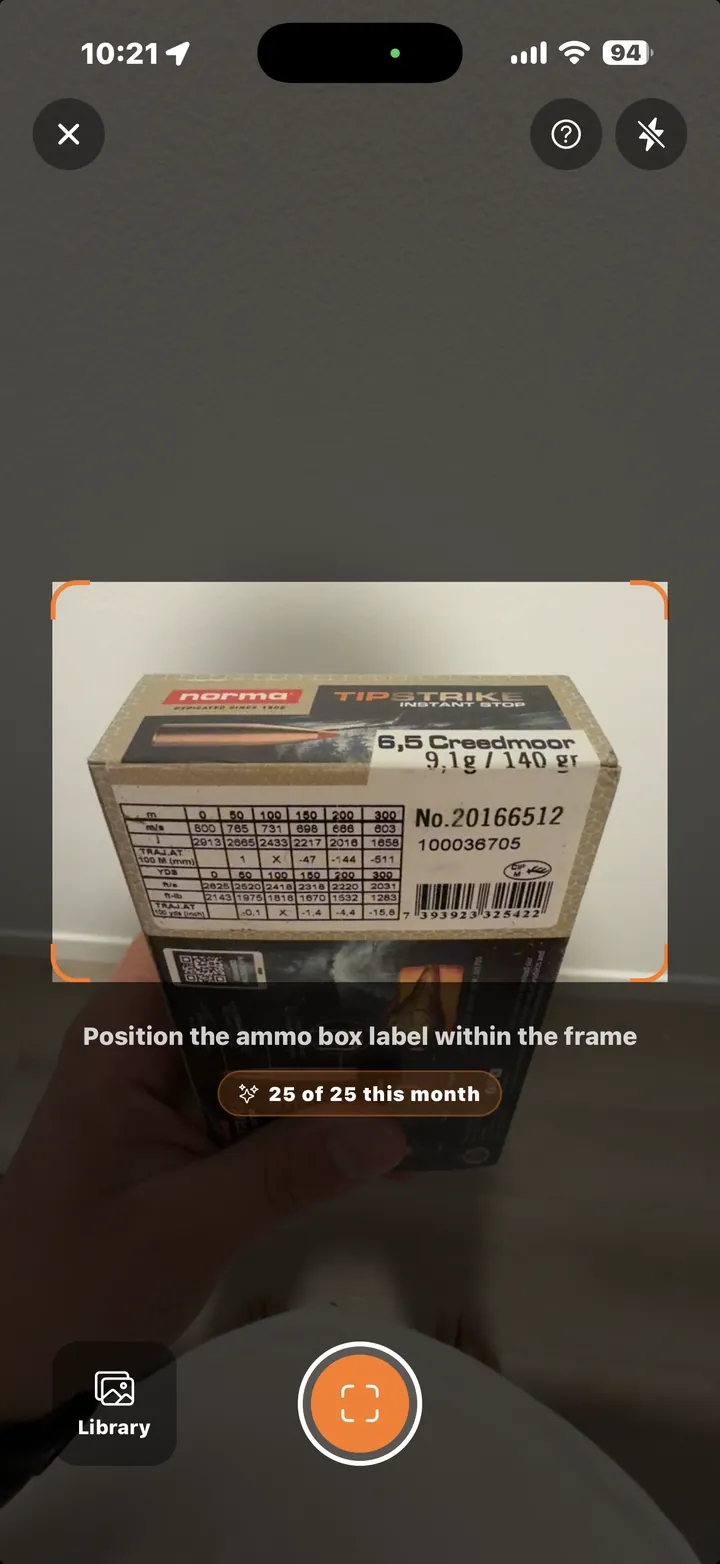
Point your camera at the label and AI fills in the ballistics. No decoding spec sheets.
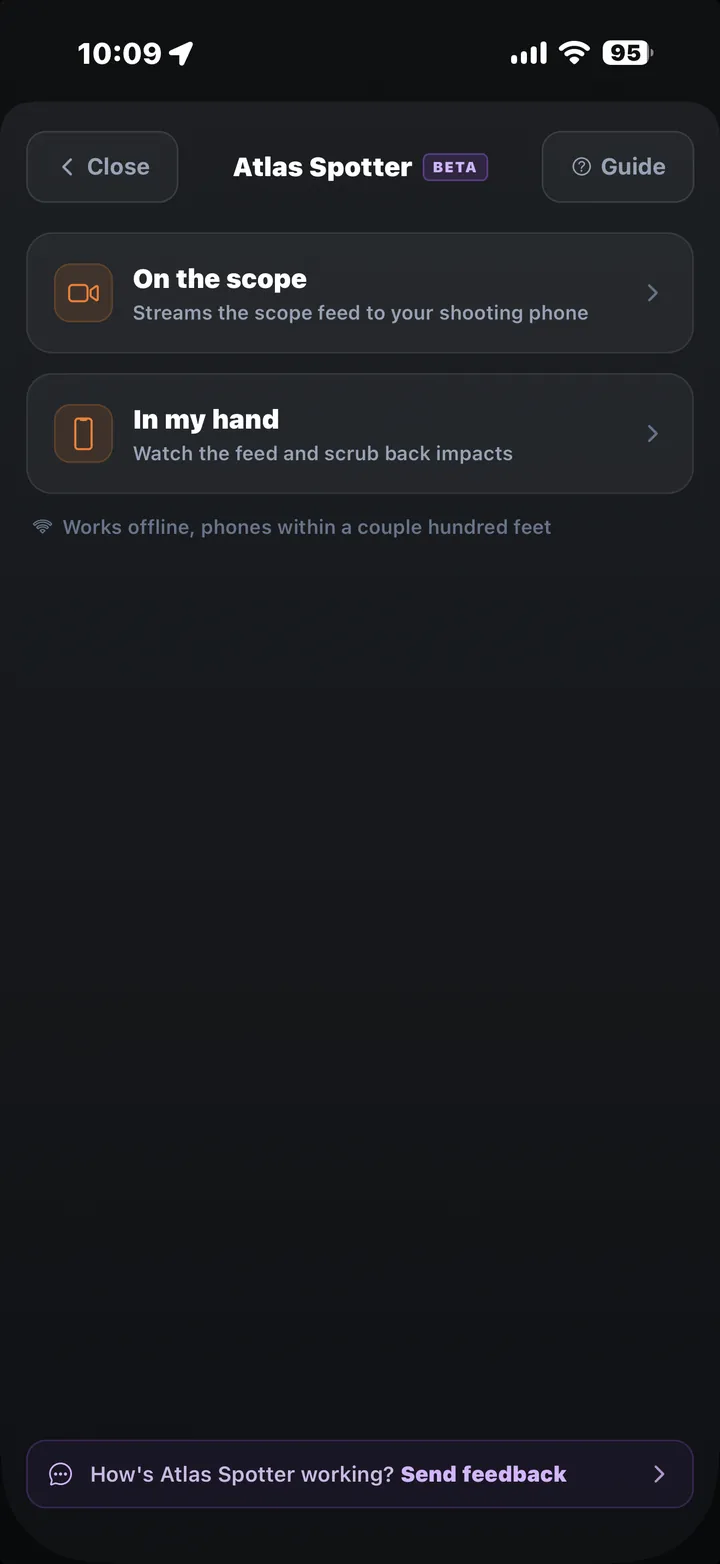
Clamp a phone to your spotting scope, pair a second device by QR, and watch your own impacts from behind the rifle.

Atlas Hunt brings terrain and trip planning into the same product: offline topo maps, land ownership layers, hunt units, waypoints, tracks and trips. The goal is one connected workflow from scouting to the range and into the field.
Hunt is in beta, with coverage and field validation still expanding. We can discuss the beta and roadmap with prospective partners; it is not yet a generally available feature.
Explore Atlas HuntWhat we can build together
A useful customer experience, a defined scope and a result both teams can evaluate. Here are three practical starting points.
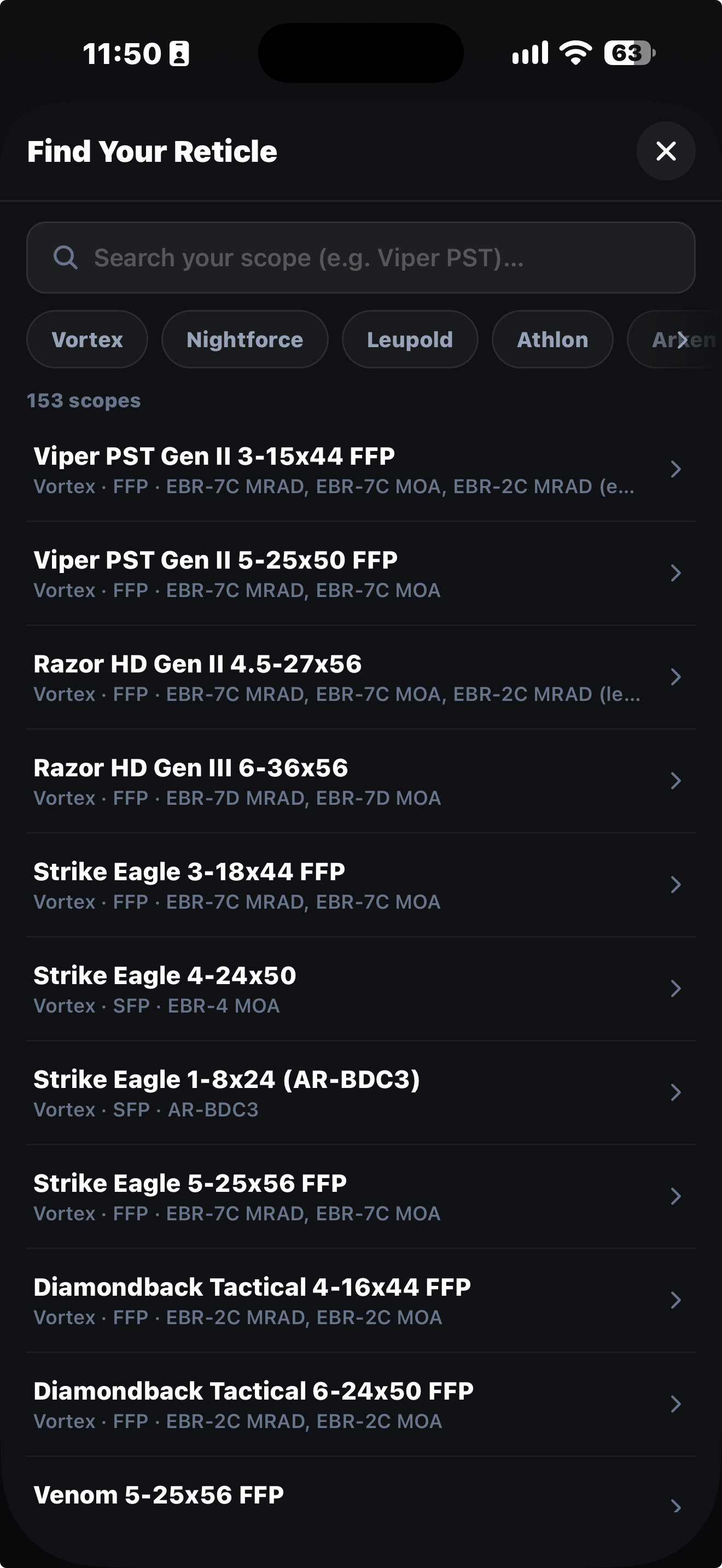
Give customers a clear path from choosing their scope to seeing their solution on the reticle they actually own.
First pilot: Start with one scope family and an agreed customer setup flow.
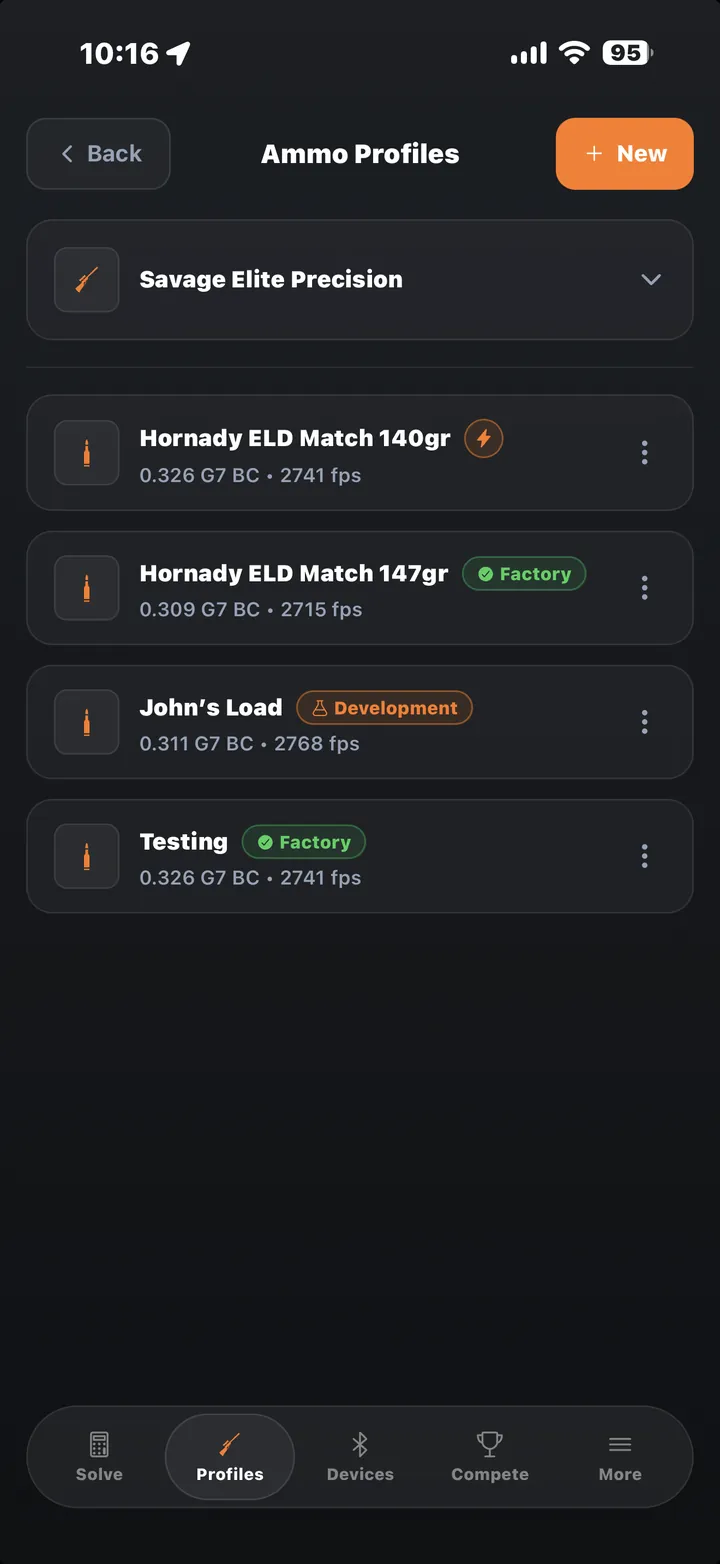
Help shooters start with consistent, manufacturer-reviewed information and keep your products easy to find inside Atlas.
First pilot: Start with a small selection of loads or bullets your team can review.
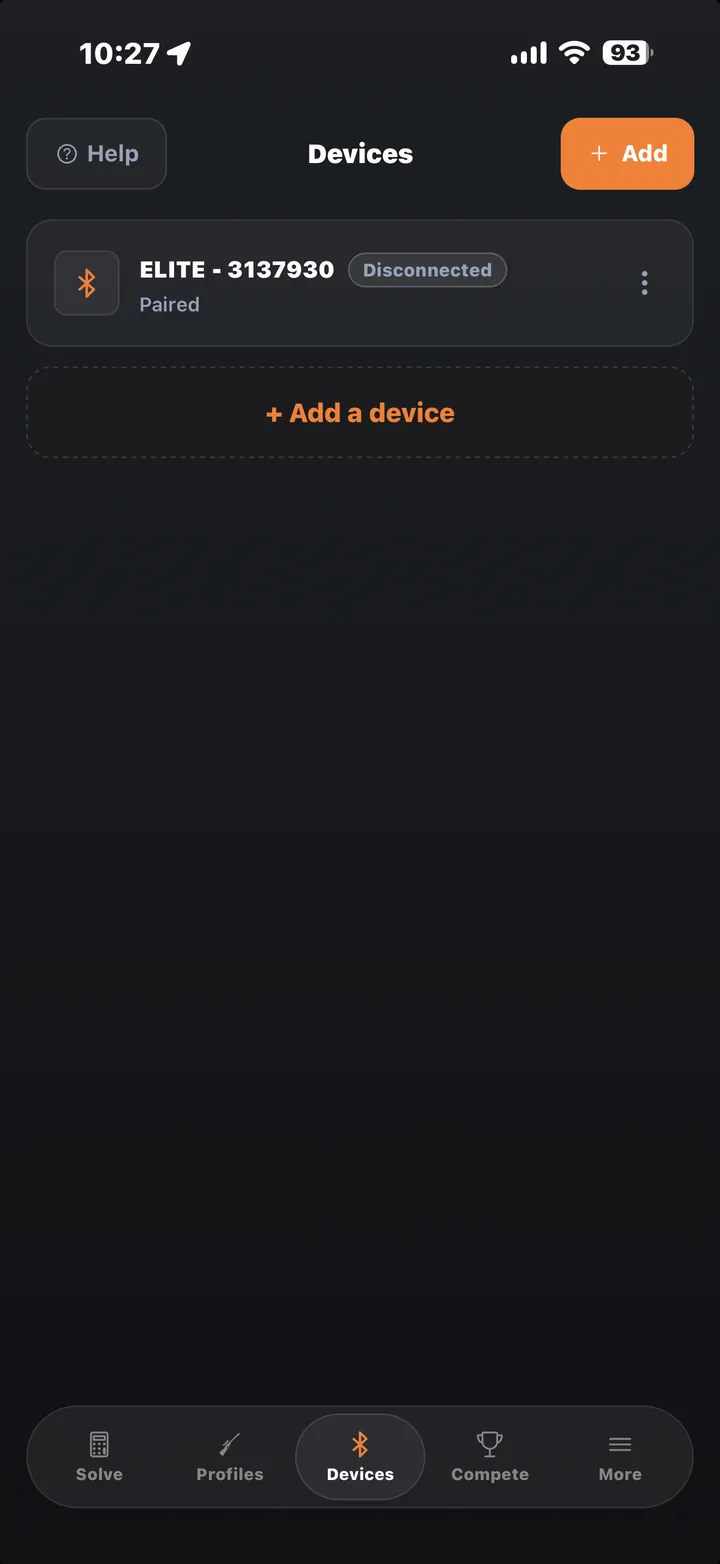
Explore an Atlas companion workflow for rangefinders, binoculars or weather devices, built around what your hardware and SDK actually support.
First pilot: Start with a technical discovery session for one device.
A straightforward first step
01
Your team tries Atlas and shows us the customer experience you want to improve.
02
We agree on the products, required data or access, responsibilities and what success looks like.
03
Both teams review the implementation and customer feedback before discussing a broader rollout.
Questions your team may have
Yes. Atlas is available on iOS and Android today. The app includes the ballistics calculator, saved profiles, reticle views, stage cards and other range tools. The partnership opportunities on this page are proposals we can scope together; they are not announcements of existing brand agreements.
Atlas has its own G1/G7 point-mass engine. A shared physics foundation does not make different solvers, drag libraries or implementations identical. We welcome a technical evaluation using agreed inputs and reference results so your team can judge the fit for your products. Atlas is not currently powered by or affiliated with Applied Ballistics.
We can discuss a companion app experience around your existing ecosystem. Access to an embedded solver, proprietary data or device connection depends on the interfaces and permissions available from your team and technology partners. We would establish those requirements before committing to an integration.
Yes. We are open to discussing a branded experience, software licensing or a deeper integration. Those projects need their own technical and commercial scope. A focused pilot is the best place to establish what should be built and how it will be supported.
Build with Atlas
Tell us which product or customer workflow you have in mind. You’ll speak directly with Nikita, the founder and developer of Atlas Ballistics.